
Self-Care Education & Hands-On Skills
As You Are Now
A breast cancer self-care program for real life—because you deserve to feel at home in the body your treatment left behind.
For the part of survivorship no one prepares you for. This is practical and relevant knowledge, skills, and support to understand, connect with, and safely care for the body you’re living in now—taught by a survivor who's also an oncology massage and lymphatic specialist.
Want to know more? Scroll on for details.
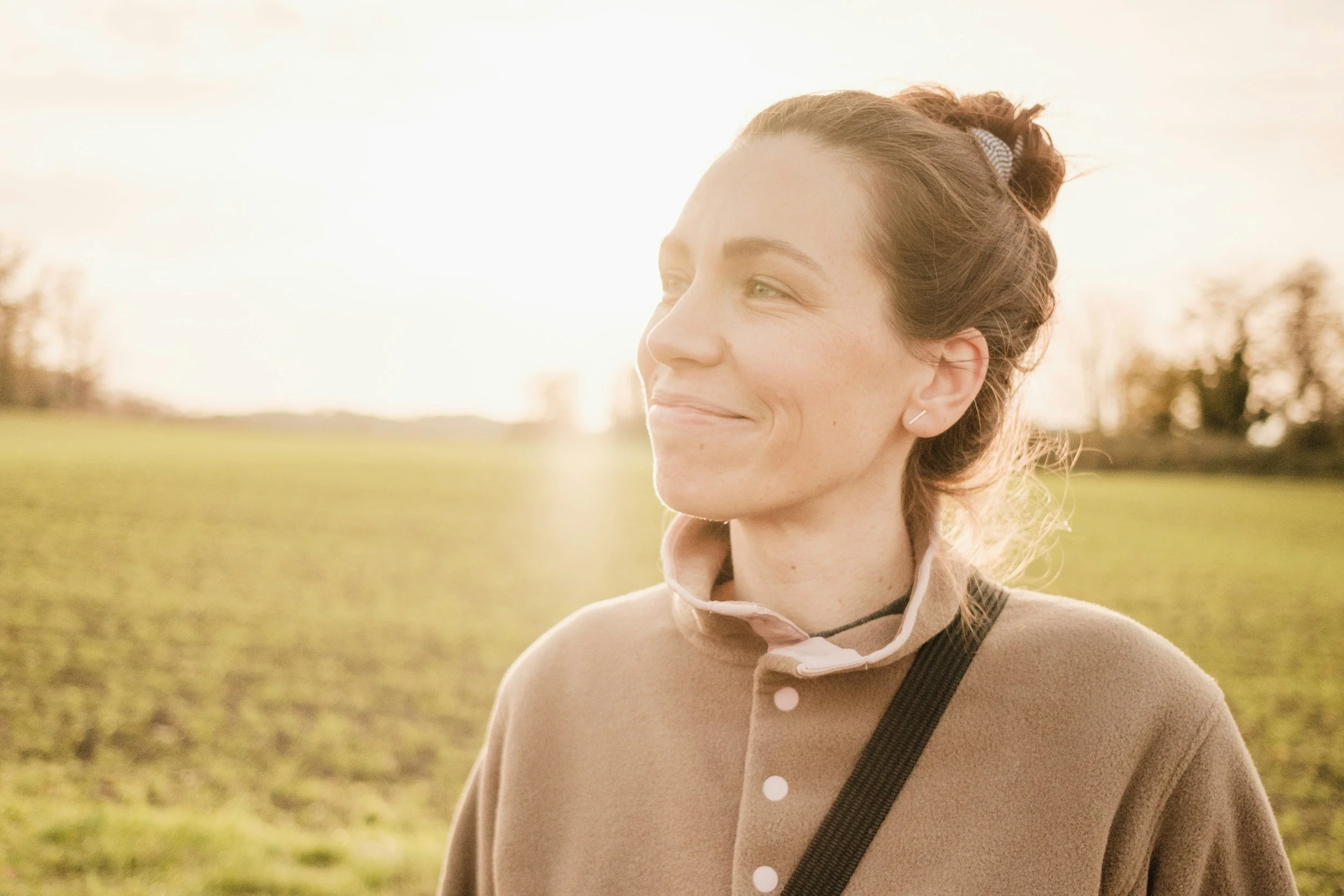
Does this sound familiar?
When treatment ended, everyone around you exhaled and expected you to be back to normal - so you said you were fine, even when you weren't. Every twinge becomes a question: is it back? No one prepared you for the unexpected sensations and limitations surgery and radiation would actually leave behind. And your questions about lymphedema were basically answered with "we'll deal with it if it happens."
Here's the truth: the medical system is built to treat the disease.
It isn't built to help you feel safe in your body again, make sense of the emotional fallout, or learn how to care for yourself in the years that follow.
But you can do that for yourself. That's what this program is for.
My experience from both sides of the table.


As time went on, I began teaching my clients one on one, what they needed to know to carry our work home with them in their own hands. I saw their improved physical outcomes and the mental and emotional relief that came from feeling in partnership with their bodies. And now I'm hoping to share it all with you.
Hi, my name is Amy.
I've spent 14 years on the treatment side of this work. I'm a Licensed Massage Therapist, a Certified Manual Lymphatic Drainage Therapist, and a professional member of the Society for Oncology Massage, and my practice focus is women navigating the fallout of breast cancer treatment and survivorship. On my table, I've heard the same stories over and over: women sent home with "everything looks great," handed a photocopied exercise sheet, told to "do some massage," and left to figure out the rest alone.
Then, five years into this work, I became one of those women. I still remember sitting in a pink paper gown, asking all the right questions—the questions I'd spent years learning to ask—and being brushed off anyway. If this could happen to me, what was happening to everyone else?
So I did the thing no one else seemed able to do: I turned my professional knowledge into self-care practices I could use on my own body—befriending my body, caring for my scars, supporting my lymphatic system—and took my healing into my own hands.
No prepares you for what it’s like to live in your body after a breast cancer diagnosis. I’ve built As You Are Now to change that.
The Three Challenges
We focus on the 3 most common challenges that I see among my clients and that affect almost every breast cancer survivor to some extent. Along the way you'll be building your Breast Cancer Body Literacy Toolkit; a customizable, evolving container of knowledge, skills, and resources that you can draw from whenever you need them.
Challenge 1: Your body stopped feeling like a safe place to live.
When treatment finally ends, you expect to get on with life, but instead you're met with ongoing physical issues, an unexpected mental and emotional tidal wave no one told you was coming, and a severe lack of guidance. Maybe you feel disconnected from your body, like it betrayed you, or like you're living a half-step outside of it. No one warned you that "cancer-free" could come with this much lingering fear, and there's usually nowhere to put it.
What we do about it: We reframe how you relate to your body and everything you've been through.
Reorient how you think about your body: the underlying science of how your body is always working for you (even when bad things happen), and the mindset behind what you can and can't control.
Shift your perspective from appearance to function: appreciating what your body can do, recognizing cultural conditioning, and exploring body neutrality as an option on the way to acceptance.
Fill your toolkit with mind-body practices: simple breathing exercises, my guided meditation "Meet Your Inner Nurturer," and ways to check in with your body that don't tip you into a spiral.
The result: You stop seeing your body as the enemy and begin to work with it instead of avoiding it, or worse, fighting against it.
Challenge 2: No one prepared you for the long-term physical aftermath of surgery and treatment.
You were likely not told that numbness, pain, tightness, and limited range of motion could linger, and even worsen with time. No one asked how you feel about your scars or how to care for them beyond "do some massage." Cording and nerve zaps aren't addressed until you finally ask what the hell is going on, as fear erupts at every strange unidentified sensation.
What we do about it: We explain what actually happened to your body - what you can see and what you can't - in plain language, and get you comfortable seeing and touching your problem areas with informed intention.
Start with your scar story: unearth the emotions attached to your scars and shift the narrative from scars as damage to scars as healing.
Understand the physical makeup of scars and scar tissue (including radiation), so you know what you're dealing with and can communicate about it more effectively.
Learn detailed, hands-on self-massage techniques you'll use for the rest of your life, on your own and alongside professional care.
The result: You understand your scars instead of loathing them. Touching your body becomes something you do with confidence instead of confusion or dread. Tightness eases and movement opens back up.
Challenge 3: Your long-term lymphatic health is left to chance and uncertainty.
The risk of lymphedema is lifelong and applies to almost every person treated for breast cancer. But there's no standard of care for managing and reducing that risk, and most people who are diagnosed are left to deal with chronic, frustrating symptoms - often with limited access to regular professional care. It's a huge gap in survivorship care, and you're left to figure it out on your own.
What we do about it: We separate fact from fiction and show you what's genuinely within your power, day to day.
Build your lymphatic literacy: what the lymphatic system is, how treatment damages it, and what you need to know about symptoms, triggers, and your own unique risk.
Round out your toolkit with lymphatic support practices, from simple breathing exercises all the way to advanced hands-on self-lymphatic drainage techniques, adaptable to your needs and lifestyle.
Know who to turn to for professional care - whether a baseline appointment, a yearly check-in, or ongoing symptom management - so you become the epicenter of your own care team.
The result: A way to care for your lymphatic system that's about support, not restriction - so you can navigate daily life and bigger adventures with context and skills instead of fear.
Put it all together, and you achieve real change.
This is what I mean by body literacy: genuinely understanding your own body and knowing how to care for it, as you are now. Because the goal was never to get back the body you had before treatment. It's to feel at home in the one you have now.
So maybe you’ve tried…
Attending a local support group or joining a Facebook group but found yourself confronted with horror stories or the vibe to be way too intense.
Taking one of every pamphlet at your doctor’s office or cancer resource center but left them all unread once you got home.
Signing up for a free “cancer coach” or peer mentor program but waited endlessly for the right “match” that never came.
Following a bunch of accounts on Instagram but can’t relate to the cancer influencers who are constantly shirtless and dancing to the latest trend.
Or perhaps you haven’t tried any of these, because you’ve opted to push it all down and hope that time is the answer to the questions you don’t even know to ask.
What you might have realized through all of this is that there is a TON of information in the world when it comes to breast cancer. But it’s not about having ALL of the information, it’s about having the resources, recommendations, and guidance that is RIGHT for you so that you can feel better.
I’ve been where you are—grappling with decisions, emotions, and the need for trusted advice.
But I have something most patients and survivors don’t: professional expertise.


Hi, I’m Amy
As an oncology massage and lymphatic drainage practitioner, I’ve been able to navigate my own recovery and healing with professional knowledge, tools, and experience that continue to make all the difference even several years on.
That’s why I created Ask Amy, a virtual consultation designed to help you turn overwhelm into action with trusted advice and tailored solutions.
Since 2012, I’ve dedicated my professional life to supporting thousands of women impacted by breast cancer through my integrative oncology practice and non-profit work.
But I’m not just a practitioner—I’m also a survivor. I know firsthand the emotional and physical challenges you’re facing because I’ve been there too.
One of the things my clients consistently tell me is how much they value having someone they can trust—a compassionate guide who listens, offers clarity, and provides actionable support.
This consultation is your chance to "pick my brain" and make the most of my unique blend of professional expertise and personal experience.
Whether you want to ask questions, share your story, or get tailored recommendations and resources, this time is 100% yours.
Think of me as a good friend who knows how to ask the right questions—and give the right answers—to help you take the next step with confidence.
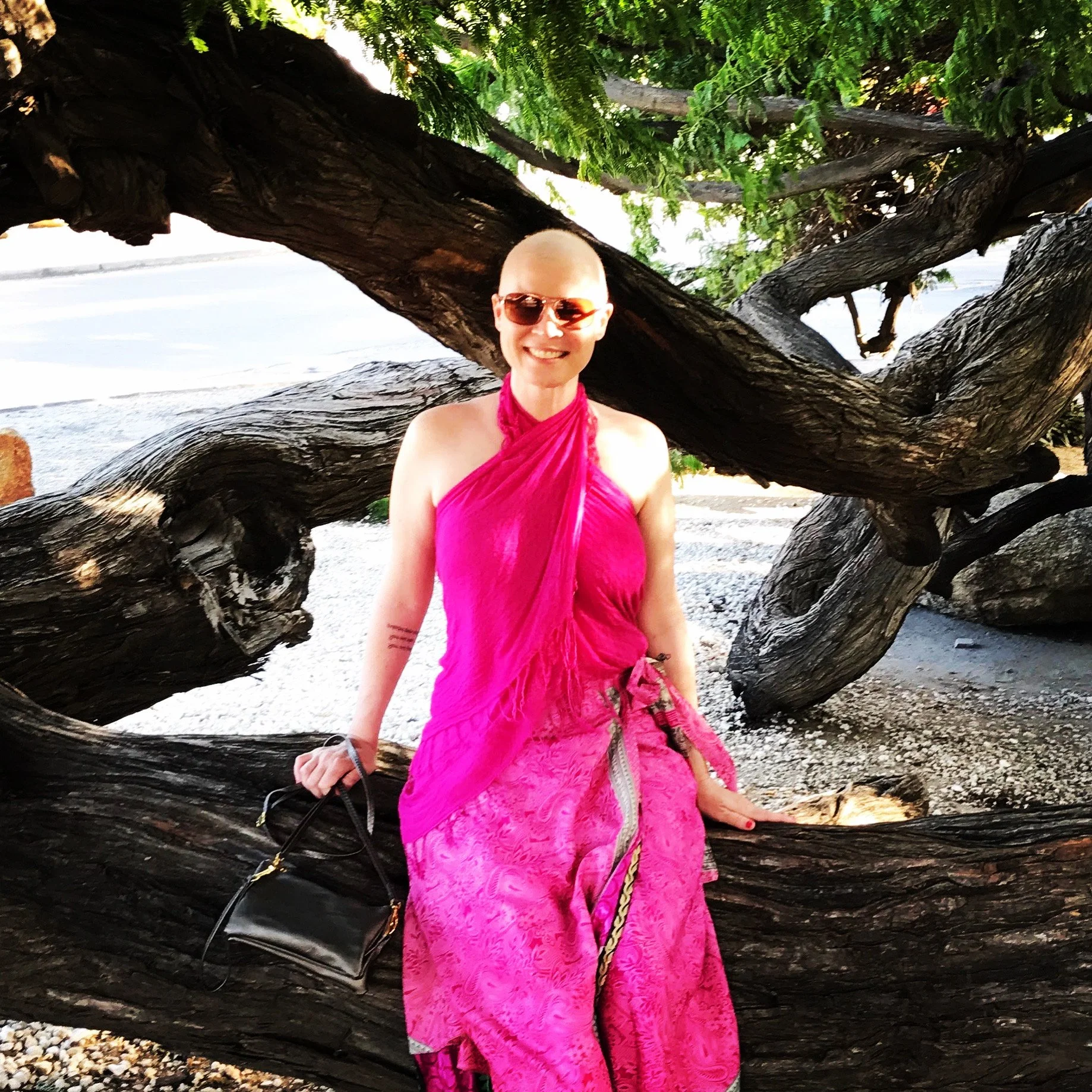
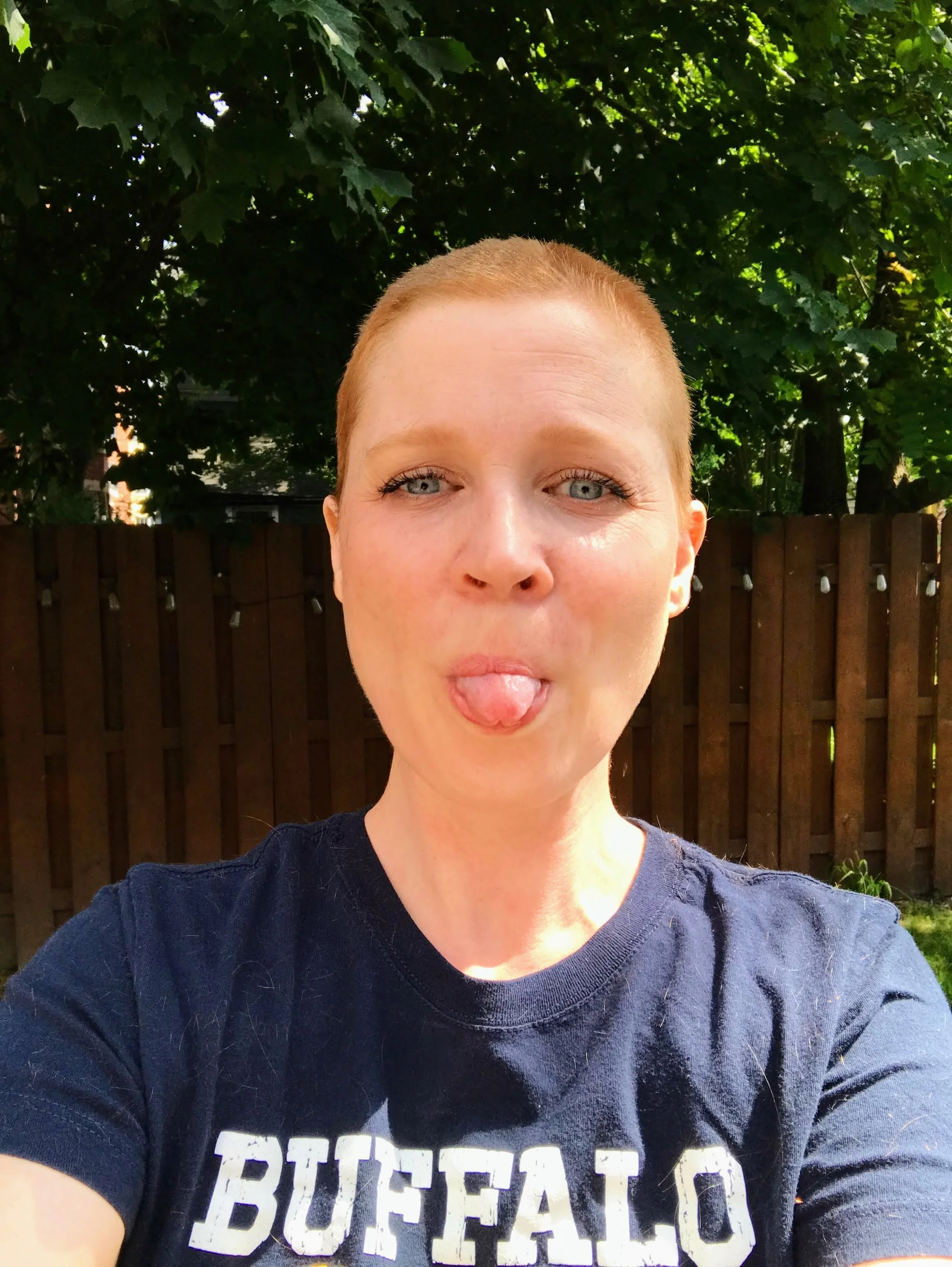
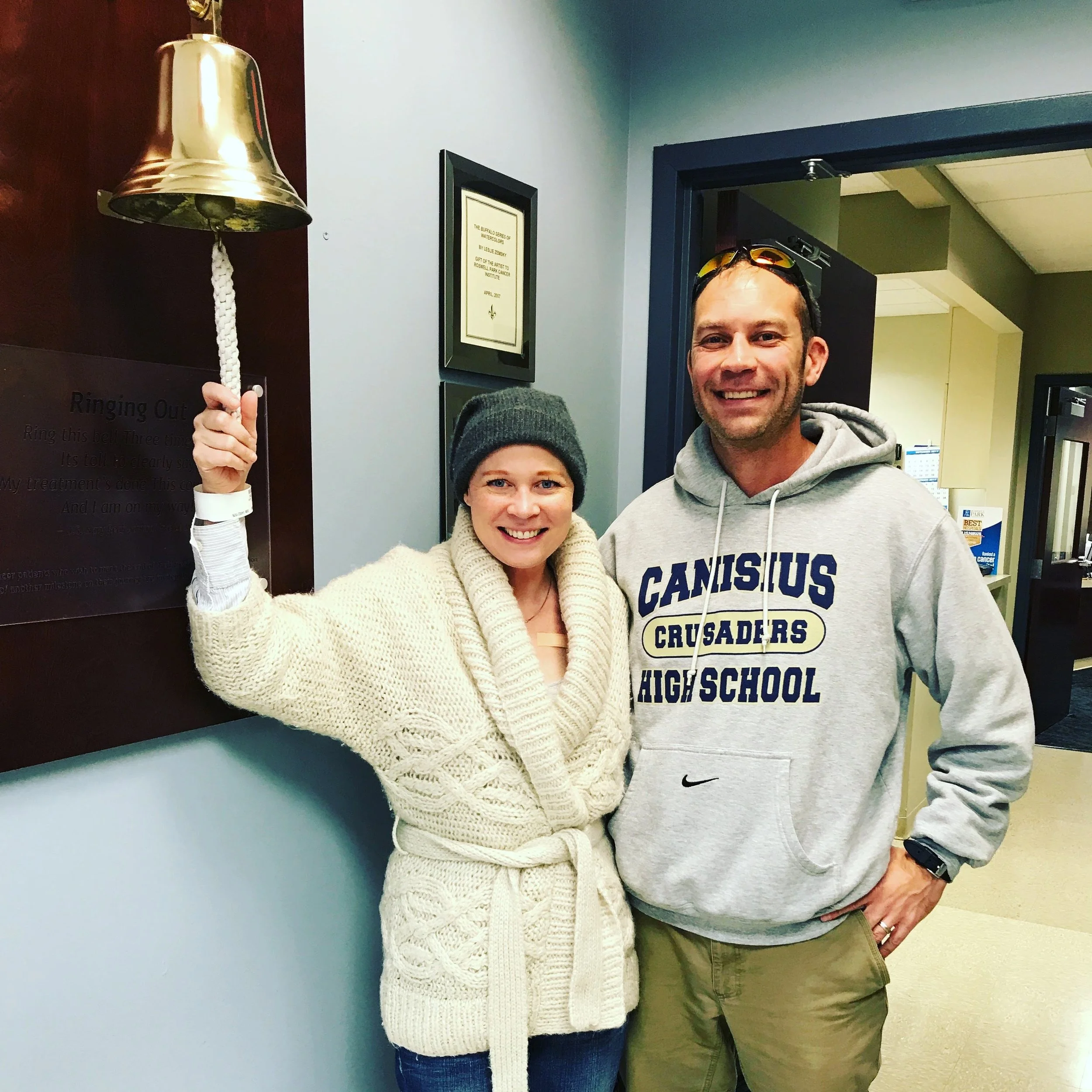
Now here’s the truth.

These sessions aren’t magic. I can’t hand you a perfect plan or guarantee all your questions will be answered at once.
And that’s okay. Because the goal isn’t to know everything.
The goal is to feel more grounded in your body, your choices, and your next steps.
Sometimes that means a new resource or referral.
Sometimes it’s naming what you’ve been holding in.
Sometimes it’s just someone saying, “You’re not crazy—what you’re feeling makes sense.”
What I can offer is a calm, informed voice in the chaos.
A place to ask what you’ve been afraid to ask—or didn’t know how to. A conversation that’s entirely about you—your body, your questions, your lived experience.
So I promise to meet you with honesty, clarity, and care.
Because this isn’t about pretending to have all the answers.
It’s about helping you tune into your own, with support that’s practical, personalized, and rooted in real-world experience.
And here is what I expect you’ll walk away with:
Validation for your feelings and perspectives
Progress towards greater clarity on your needs and goals
Actionable steps through tailored resources and recommendations
Peace of mind that comes with feeling more confident and reclaiming a sense of control
How it Works:
Book Your Call: Pay for your session and schedule a time that works for you.
Come Prepared: Bring your questions—or simply share your story, and we’ll figure it out together.
Walk Away Empowered: With resources, recommendations, and reassurance tailored just for you.
Logistics and Takeaways: To help you get the most out of your session, we’ll meet on Zoom, where the call will be recorded for your convenience. I’ll also use an AI note-taker to transcribe and summarize our conversation, capturing key insights, resources, recommendations, and action steps. You’ll receive a copy of the session recording and summary, giving you easy, anytime access to revisit the recording and notes whenever you need them.

Is this right for you?
You don’t have to be in a specific phase or meet some perfect criteria to benefit from this kind of support. If breast cancer has touched your life—whether you’re newly diagnosed, deep in treatment, navigating survivorship, living with metastatic disease, or supporting someone who is—this consultation was created with you in mind.
These calls are flexible, personalized, and designed to meet you exactly where you are. Use the drop downs to see a few examples of how this session might help, based on your role or stage.
-
Reduce stress and anxiety by getting practical answers to common questions without drowning in handouts or internet rabbit holes.
We can discuss treatment and surgical options, second opinions, side effects, or whatever is weighing on you.
-
Surgery and treatments come with physical, mental, and emotional hurdles.
Let’s talk through tips to reduce side effects, product recommendations for healing, and support resources for this stage.
-
What’s next? We’ll address your challenges, from lifestyle changes to dealing with cancer culture.
Whether it’s finding balance, exploring advocacy, or simply figuring out your next steps, I’m here to help.
-
Cancer affects everyone close to the person diagnosed. Let’s discuss how to support your loved one in a way that feels authentic and helpful, while also taking care of yourself. Learn practical tools to show up for them—and for you.
A few additional things to be clear on:
Acknowledging identity and inclusivity.
While I work with clients from a wide range of backgrounds and identities, I acknowledge that my lived experience (cisgendered white woman with 8 years of remission) may not match your own identity or circumstances. My commitment is to show up with humility, openness, and a desire to create care that is respectful, affirming, and inclusive—but if preferred I will do my best to refer you to a person or organization who may feel like a better fit.
And here’s what I won’t pretend to be an expert in(but I can almost always point you toward someone who is!):
Nutrition and diet
Personalized rehab/exercise planning
Clinical trials or treatment-specific protocols
Pelvic floor therapy and sex and intimacy concerns
These are subjects that I can absolutely make resources and recommendations for, or share my own perspective on, but I am not a trained professional in these arenas.
While these lists aren't exhaustive or rigid, I hope they provide a clear understanding of where my expertise can best support your journey.
This not a coaching program.
These are individual consultations that are each meant to be complete in and of themselves. You are welcome to book more than one if you find them valuable but there is no obligation to do so and I will not pressure you to rebook when we are done.
I respect and honor my limitations.
I believe in naming what’s in my lane and what’s not. One thing I like to make super clear in advance is what I'm able to talk about from a position of authority and what I approach personally or leave to others who know better than I.
I'm here to help you deal with the side effects and fall out from your breast cancer diagnosis and treatments as it relates to your body and your physical, mental, and emotional recovery and healing.
Here’s what I can help with—because it’s what I live and breathe every day:
The mind-body connection and how to rebuild yours
Preparing for surgery + navigating recovery
Scar tissue, cording, and range of motion challenges
Lymphedema: understanding your risk and managing symptom
Making self-care safe, doable, and relevant to you

Ready to make time for yourself with me?
Book your session now and get one step closer to the answers and assurance you are longing for.
FAQs
How is this different from a medical consultation?
I don’t replace or offer medical advice. My focus is on providing compassionate, expert guidance to support your well-being and help you make informed decisions about your care.
What if I have to reschedule or can’t make my call?
If you need to reschedule I ask for 48 hours notice to do so without a fee. If you miss your session or cancel with less that that you will not be refunded for your missed session. I understand emergencies happen and try to give generous consideration on a case by case basis.
Can I buy this as a gift for someone else?
Absolutely! You can purchase a session as a thoughtful gift for someone and they will receive everything they need to schedule at their convenience.
What if I don’t know what to ask?
That’s okay! Start by sharing your story, and I’ll guide the conversation to uncover what’s most pressing for you.
What should I prepare before my session?
Bring any specific questions, topics, or concerns you’d like to discuss. If you’re unsure, don’t worry—we’ll figure it out together during the session.
Will I receive anything after the session?
Yes! Your session will be recorded, and you’ll also receive a detailed summary with transcriptions, key takeaways, and any resources or recommendations discussed. These will be emailed to you within 24-48 hours of your session.
Still have questions?
Send me an email at hello@amyhartl.com or complete the contact form.